When the Leaf Falls
In the autumn, why do particular leaves fall as if the trees had gently let them go, while most still cling to their parent branches? Is it happenstance, or do the trees regulate the fate of their leaves? Let’s look more closely.
Walking through nature with John Palka, a neuroscientist who loves plants and ponders big questions
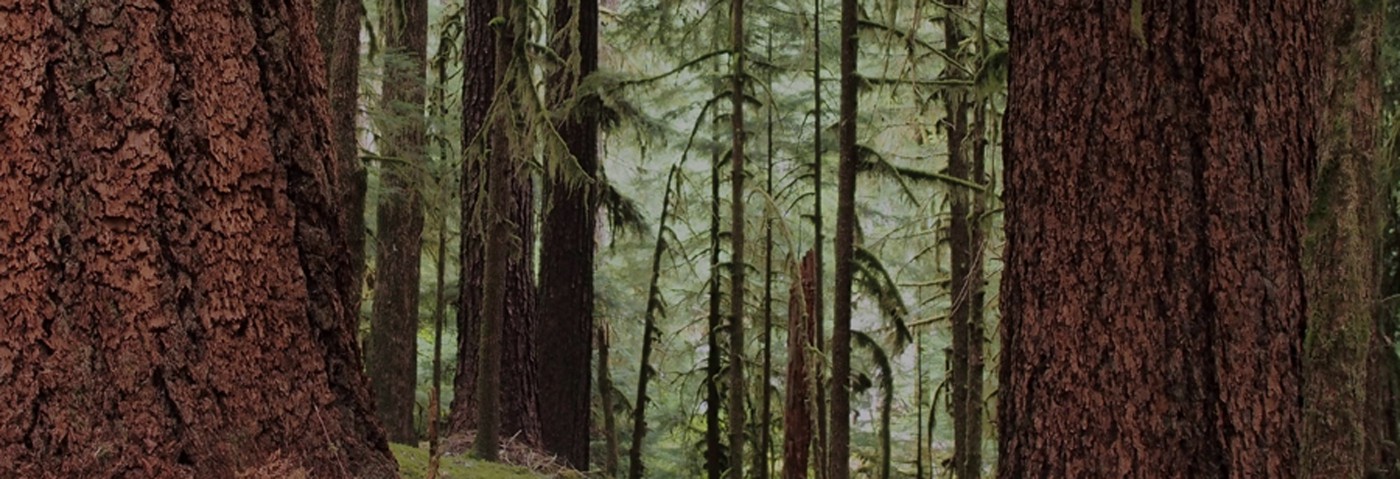
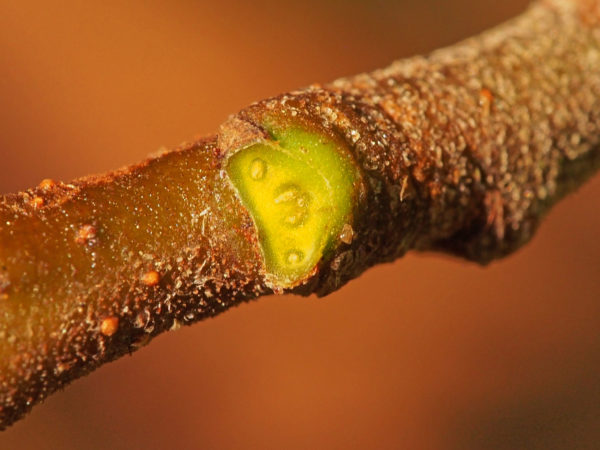
In the autumn, why do particular leaves fall as if the trees had gently let them go, while most still cling to their parent branches? Is it happenstance, or do the trees regulate the fate of their leaves? Let’s look more closely.
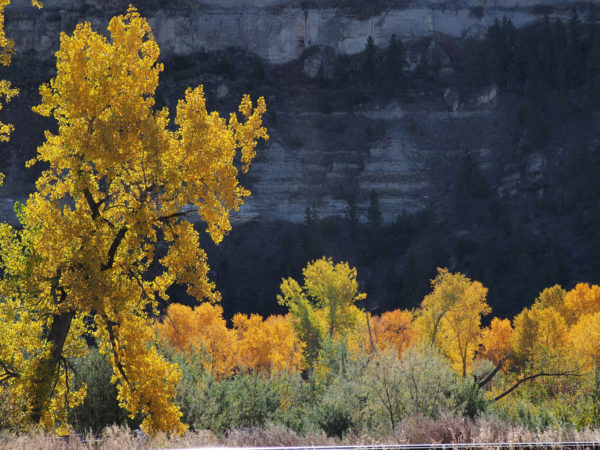
Over and over on Nature’s Depths we have seen that a forest is in many respects like a super-organism, with startlingly many interacting components ranging from towering trees to soil microorganisms that we can only detect with a microscope or with molecular techniques. When we go walking, however, it is the trees that largely make up the forest of our experience, and that experience changes with the seasons.
Many neuroscientists ponder big questions because, after all, most of us believe that the nervous system is the seat of human experience and emotions and thus of what is most meaningful in our lives. It is less common to find neuroscientists who also love and study plants. I would like to take this opportunity to share with you how this dual affinity came about for me.
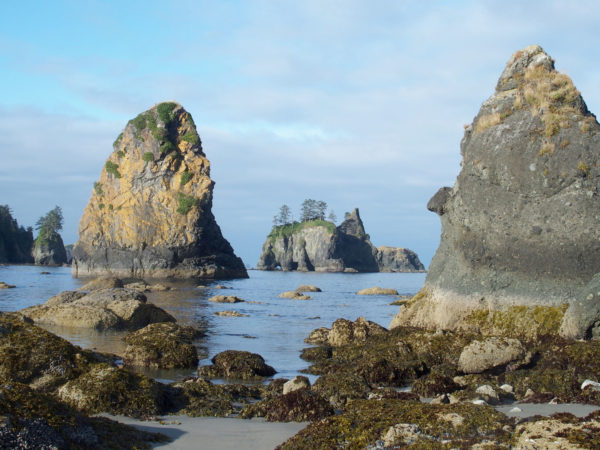
The seashore is a highly diverse place. Some stretches are sandy and some pebbly, some are rocky, and still others are formed by massive rocky bluffs eroded by the unceasing action of the waves into fantastical shapes. Each stretch is home to its own constellation of living creatures. . . Among the richest and most diverse stretches of coast in the world are the cliffs, coves and sea stacks of western North America. Let’s visit two of them in the coastal wilderness stretch of Olympic National Park.
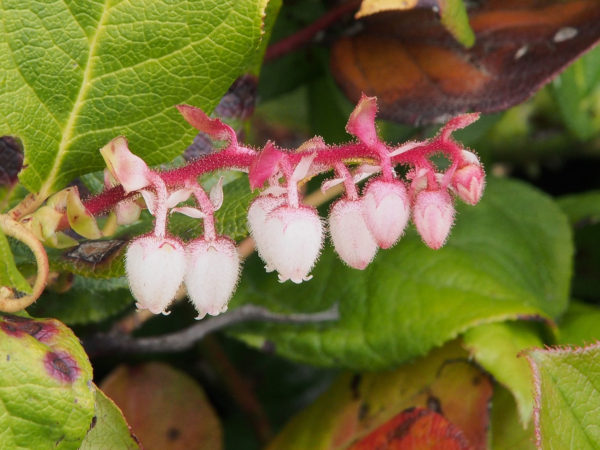
Modern techniques allow the determination of evolutionary relationships among organisms, so that the groupings used by systematists—the biologists whose focus is the determination of relationships and the naming of organisms accordingly—reflect not only their similarity today but also their evolutionary history.
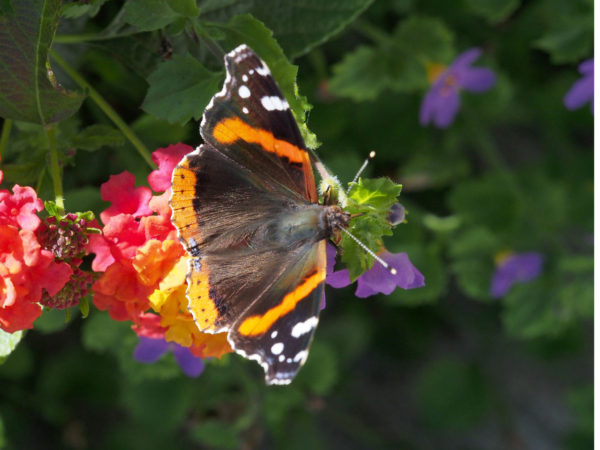
From spring to fall, if you’re lucky, you can revel in the sight of butterflies. They can be found in gardens, in the woods, in meadows—anywhere where there is sunshine and where they can forage for the nectar produced by flowers. Let’s look at the stunning patterns on their wings and ask how these patterns arise.